

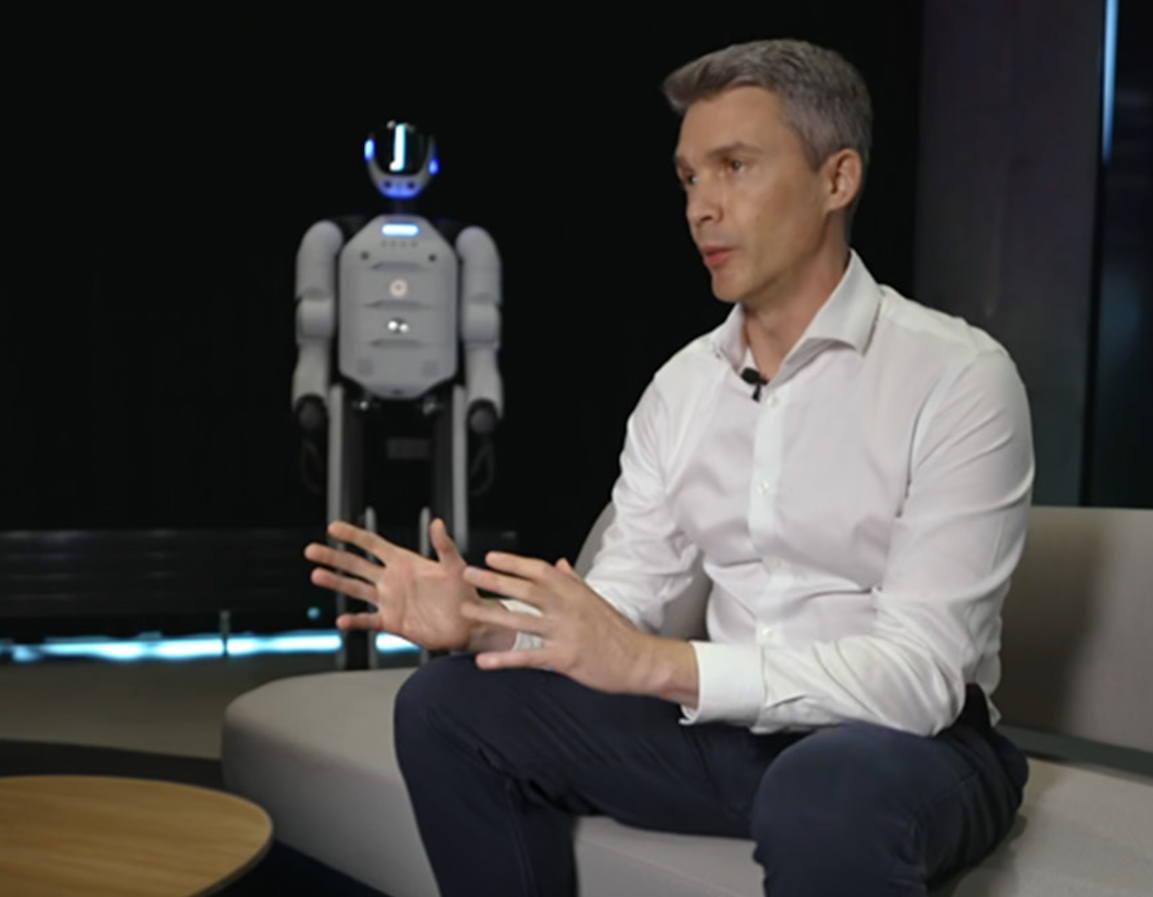

The rise of humanoid robotics is no longer a distant vision, it is becoming a near-term reality that could reshape both industry and everyday life.
“Humanoid robots are probably 2 years away from extremely excellent functionalities,” says Nvidia CEO Jensen Huang. “And five years from reasonable volume deployment,” he adds.
Across global manufacturing hubs, humanoid robots are already transitioning from research labs into real production environments. Automotive companies and technology leaders are actively testing robots designed to work alongside human teams, helping address labor shortages while improving efficiency, flexibility, and safety.
Why Humanoid Robots?
“Main reason is labor shortage, you have an aging population on one side, and a younger generation, not too keen on taking on manufacturing jobs.
A humanoid robot and not a traditional robot, as the manufacturing environment was built by humans, for humans. Humanoids can start working in such environments pretty seamlessly,” explains Hexagon Robotics President Arnaud Robert.
The Era of Physical AI
Machines not only process information but also perform complex physical actions. Training robots to replicate human movement and decision-making requires vast amounts of real-world data, opening new opportunities while raising fundamental questions about the future of work.
Watch this extract to explore how the next chapter of AI is moving beyond software and into the physical world, and what that means for businesses, workers, and everyday life.